
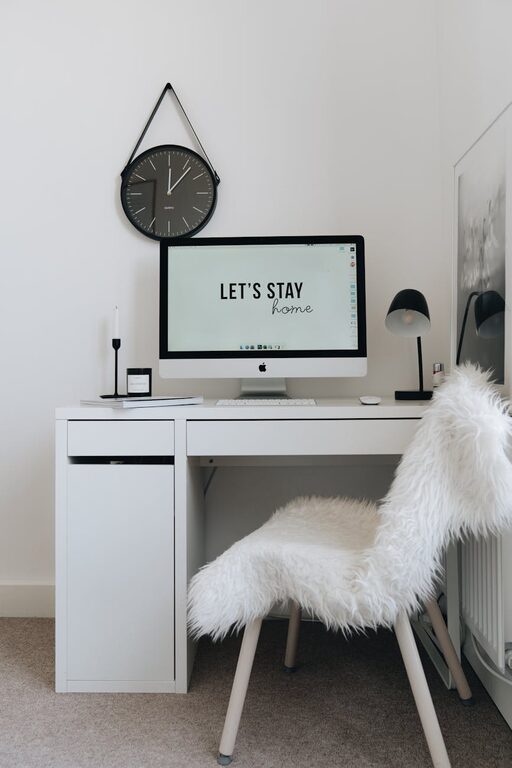
Tips for Creating a Cozy and Functional Home Workspace
Creating a cozy and functional home workspace is essential in today’s world, where remote work and flexible schedules have become commonplace. Whether you work full-time from home or occasionally need a dedicated spot for tasks and projects, a thoughtfully designed workspace can boost your productivity and well-being. Here are some helpful tips to make your home office both inviting and efficient.
Choose the Right Location
Finding the best spot in your home for a workspace is the first step. Ideally, select a quiet area that offers some separation from high-traffic zones.
– Natural light: Try to position your desk near a window. Natural light improves mood and reduces eye strain.
– Minimal distractions: Avoid places near noisy appliances or televisions.
– Space for movement: Ensure there’s enough room to stretch, move around, and store your supplies.
If space is tight, consider creative options like a corner nook, a spare closet converted into a small office, or a part of your living room dedicated to work.
Invest in Comfortable Furniture
Comfort plays a big role in how well you can focus and work for long periods.
– Ergonomic chair: Choose a chair that supports your back, encourages good posture, and can be adjusted for height and tilt.
– Desk size and height: Pick a desk that fits your needs—large enough for your computer, notebooks, and any tools you use regularly. Standard desk height is about 28–30 inches.
– Use standing options: If possible, consider a sit-stand desk or an adjustable platform to switch between sitting and standing.
An inviting chair with soft cushions and breathable fabric adds coziness without sacrificing support.
Organize for Efficiency
A cluttered workspace can lead to stress and wasted time searching for things. Organization is key to a functional home office.
– Storage solutions: Use shelves, drawer organizers, or filing cabinets to keep documents and supplies in order.
– Desk accessories: Items like pen holders, cable management clips, and trays help keep essentials close but tidy.
– Digital organization: Maintain a clean desktop on your computer and use apps to keep your files and tasks streamlined.
Set aside a few minutes at the start or end of each day to tidy up your space.
Use Soothing Colors and Decor
Colors and decor influence how you feel while working. To create a cozy atmosphere, aim for calm and inspiring elements.
– Choose soft, muted colors: Shades like pale blues, greens, or warm neutrals create a relaxed mood.
– Add plants: Indoor plants brighten a room, improve air quality, and can reduce stress.
– Personal touches: Display artwork, photos, or meaningful objects that uplift you, but avoid overloading the space.
Consider soft area rugs, curtains that filter light gently, and adjustable lighting that includes both task and ambient options.
Optimize Lighting
Good lighting reduces eye fatigue and keeps you alert.
– Balanced lighting: Combine natural light with overhead lighting and desk lamps.
– Avoid glare: Position screens and lights to minimize reflections.
– Warm vs. cool light: Warm light promotes relaxation, while cooler, brighter lights can enhance focus during important tasks. Using adjustable bulbs lets you switch depending on the mood needed.
A well-lit environment can make a big difference in your daily comfort.
Incorporate Technology Thoughtfully
Technology powers most home offices, but it should be integrated without clutter.
– Essential devices only: Keep only the gadgets you use often on your desk.
– Wireless accessories: Wireless keyboards, mice, and headphones reduce cable mess.
– Charging stations and outlets: Make sure your space has easy access to charging points for devices.
Regularly update software and backups to avoid tech interruptions.
Manage Noise and Enhance Focus
Background noise can be disruptive, so consider how to reduce distracting sound.
– Noise-cancelling headphones: These can help block out noise and keep you focused.
– Soft materials: Rugs, curtains, and upholstered furniture absorb sound.
– White noise machines or apps: For some, gentle background sounds improve concentration.
If you have family or roommates around, set clear boundaries for work hours.
Stay Flexible and Adapt
Your workspace needs might change over time based on projects or lifestyle. Maintaining flexibility is useful.
– Modular furniture: Use pieces that can be moved or reconfigured easily.
– Multi-use spaces: Design areas that serve both work and leisure purposes.
– Regular evaluation: Periodically assess your setup to see what works and what could be improved.
Being open to change helps keep your space effective and enjoyable.
—
Designing your home workspace to be both cozy and functional encourages a positive work experience. By thoughtfully choosing the location, furniture, organization, lighting, and decor, you create an environment that supports focus and comfort. Remember, the goal is to build a space that feels welcoming and helps you do your best work every day.
