Tips for Creating a Relaxing Home Office Environment
Creating a relaxing home office environment is essential for anyone working remotely or spending considerable time at home tackling projects. A calm and comfortable workspace can improve focus, reduce stress, and make your workday more enjoyable. Whether you have a dedicated room or a small corner, these tips will help you design an office space that promotes relaxation and productivity.
Why a Relaxing Home Office Matters
Working from home has become increasingly common, and while it offers flexibility, it can also blur the boundaries between work and personal life. A relaxing home office helps set a clear work zone where distractions are minimized and motivation is boosted. It contributes to mental clarity, helping you maintain better concentration throughout the day.
—
1. Choose the Right Location
Find a Quiet Space
Start by selecting a spot in your home that is relatively quiet and away from daily distractions. If possible, use a separate room to create a physical boundary between your work and home life.
Consider Natural Light
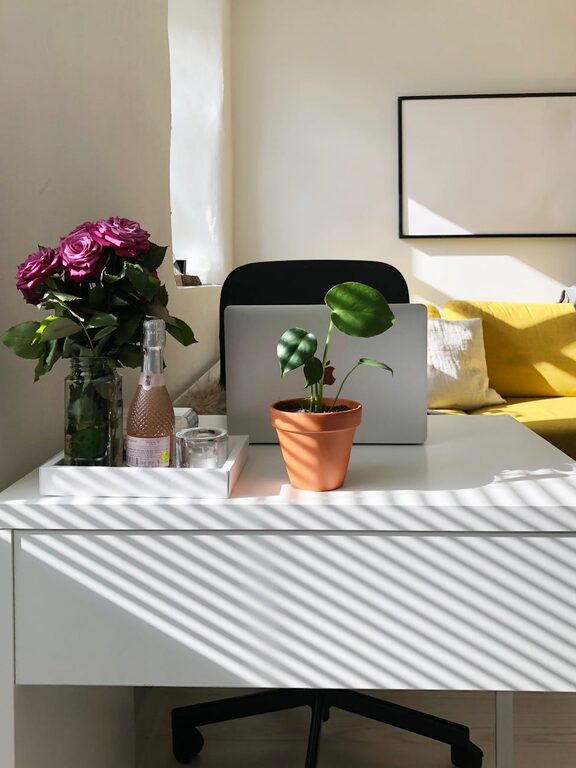
Natural light has a positive effect on mood and energy levels. Try to place your desk near a window, but be mindful of glare on your computer screen. If natural light is limited, add soft lighting options to brighten the space without harshness.
—
2. Invest in Comfortable Furniture
Ergonomic Chair
A comfortable, supportive chair is crucial as you’ll spend many hours sitting. Look for adjustable chairs with lumbar support to encourage good posture and reduce strain.
Desk Choice
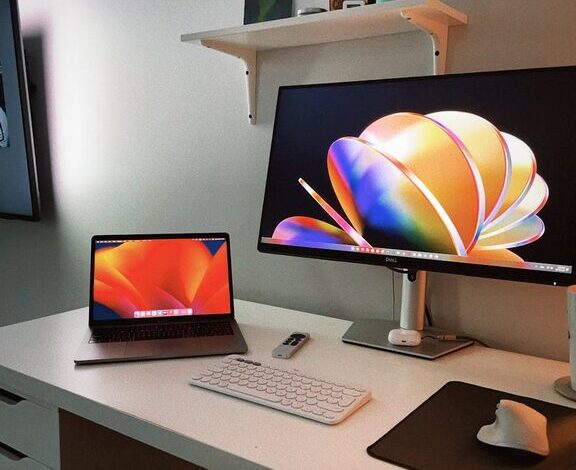
Choose a desk size that fits your needs and space. If you like to move, consider a sit-stand desk to vary your position during the day. Make sure your monitor is at eye level to avoid neck tension.
—
3. Keep It Organized
Declutter Regularly
A cluttered workspace can create unnecessary stress. Use drawers, shelves, and storage containers to keep your desk tidy and essential items within reach.
Use Cable Management
Exposed cables can create a messy look and distraction. Use cable clips, sleeves, or boxes to keep wires neat and hidden.
—
4. Add Soothing Colors and Decor
Choose Calming Colors
Opt for a color scheme that promotes relaxation, such as soft blues, greens, or neutral tones. These shades help reduce anxiety and foster a peaceful atmosphere.
Personal Touches
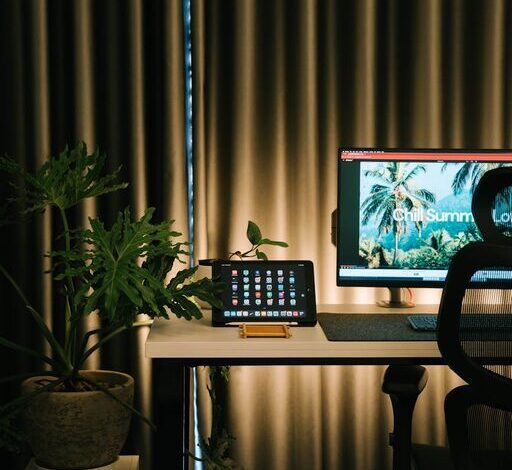
Incorporate items that make you happy and motivated, like plants, artwork, or inspirational quotes. Be mindful not to overcrowd the space.
—
5. Incorporate Greenery
Plants improve air quality and bring life to your workspace. Easy-care plants like succulents, pothos, or peace lilies can be great choices. They also offer a visual break that can help reduce eye strain.
—
6. Control Noise and Distractions
Use Noise-Cancelling Headphones
If you can’t eliminate noise, noise-cancelling headphones can help you focus by reducing background sounds.
Consider Sound Machines or Music
Soft background music or white noise can also improve concentration and create a soothing work environment.
—
7. Manage Air Quality and Temperature
A room that is stuffy or too warm can decrease productivity. Open windows when possible to allow fresh air, and use fans or heaters to maintain a comfortable temperature.
—
8. Optimize Lighting
Layer Your Lighting
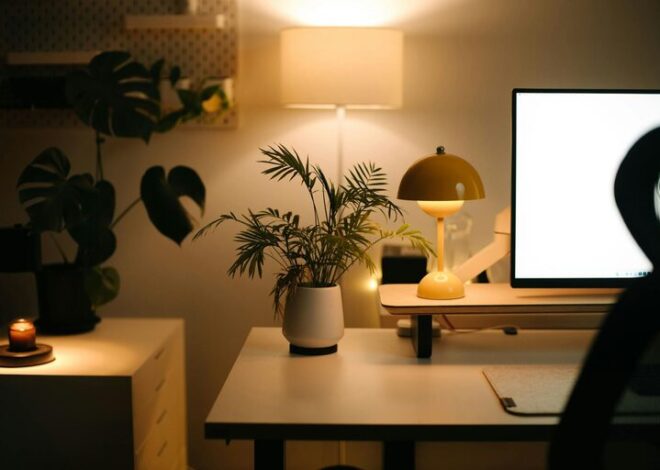
Combine overhead lights, task lighting such as desk lamps, and natural light to reduce eye fatigue.
Avoid Screen Glare
Adjust your computer screen and lighting to prevent glare that can cause headaches.
—
9. Establish a Routine
Having a consistent daily routine, including breaks and time to stretch, helps you stay balanced. Use timers or apps to remind yourself to pause regularly to relax your eyes and mind.
—
10. Use Aromatherapy
Lightly scented candles, essential oil diffusers, or air fresheners with calming fragrances like lavender or eucalyptus can improve mood and help reduce stress during work hours.
—
Final Thoughts
Designing a relaxing home office is about combining comfort, organization, and personal touches to create a space that invites focus and peace. With these practical tips, you can make your home workspace a place where you not only work efficiently but also feel calm and refreshed.
Remember, the ideal home office environment varies from person to person. Experiment with these suggestions and adjust them to fit your own preferences and needs. A little effort can make a big difference in how you work from home.